
I'm Mireille, and I teach pain and stress skills. I'm dedicated to sharing evidence-based help for pain and giving people the skills and knowledge to get themselves better.
I spent 10 years as a mixed and farm animal vet before severe chronic back pain forced me to leave. I know the toll that the job can take on the body, and the mind.
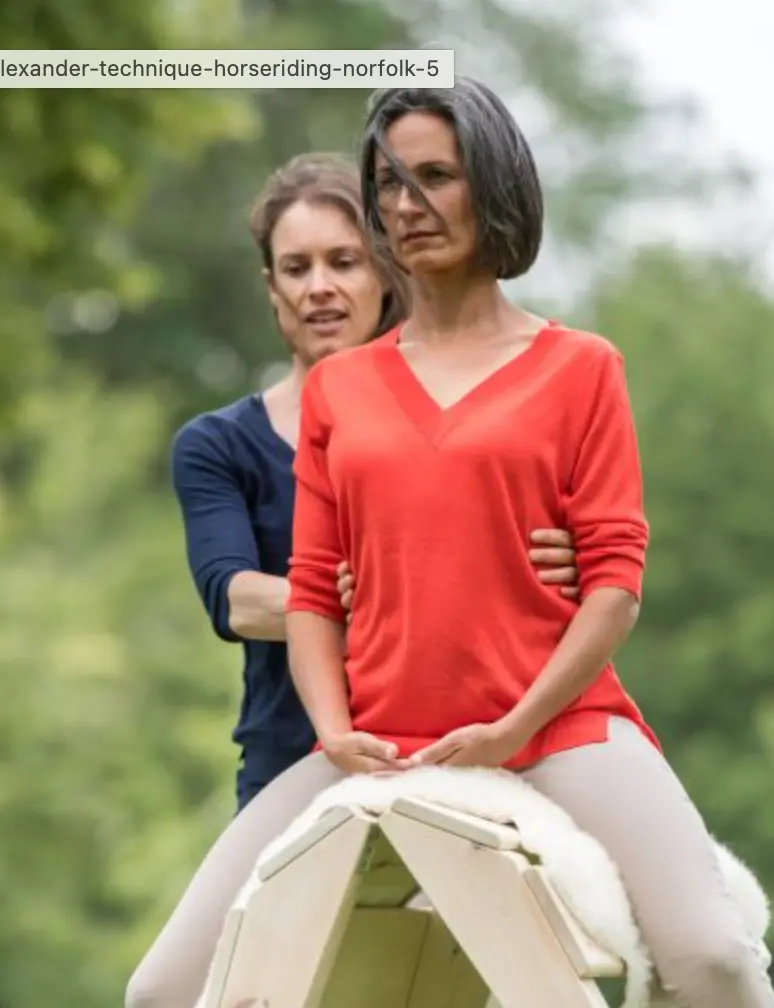
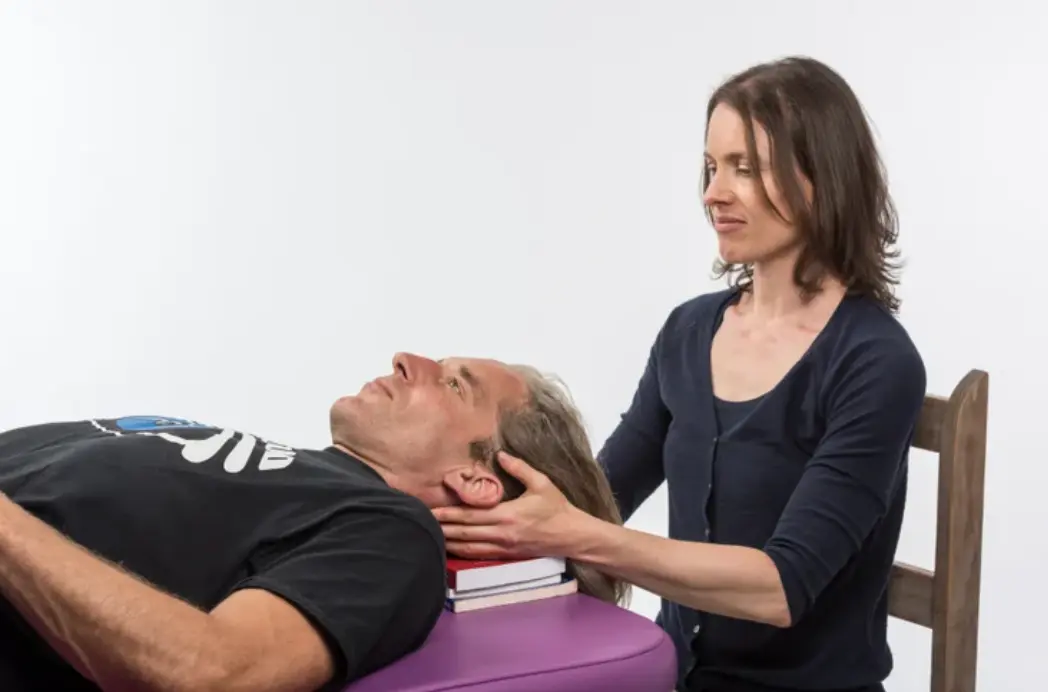
Alexander Technique was what finally helped my pain, when nothing else had worked. I trained for three years full time to become a teacher, and I've been working with people with pain, stress, postural issues, and hypermobility/hEDS since 2016. The technique helps you cope with demanding and repetitive tasks and postures and interrupts the vicious cycle of stress and pain.
My approach is steeped in the science of pain. When you understand what's really happening in yourself, and learn practical skills, you can get big shifts in your pain and stress.
Back to Active has been operating since 2016, providing training to support movement efficiency, body awareness, and relaxation to find relief from work-related stress and musculoskeletal pain. The approach combines mind-body skills with pain education, addressing common misconceptions that can hinder recovery. Back to Active specialises in supporting veterinary and others in similar professions working in physically and emotionally demanding roles.
Mireille also runs the Constructive Rest Club with 2 other Alexander Technique teachers:
Gemma has been supporting her clients with their pain management path for over 25 years; leaning heavily on her teaching experience in the Alexander Technique and her own journey with Hypermobility. Gemma is especially focussed on the process of emotional health, and its subsequent benefit to the physical body.
and
Natalie has been working in wellbeing services for 17years. First in Psychological Therapies, now teaching Alexander Technique, predominantly to people with hypermobility, persistent pain and long-term conditions. She is Alexander Technique Advisor for the charity SEDS Connective (hypermobility & neurodivergence).
Following the Evidence
I offer practical, trustworthy support that respects both the evidence and your lived experience. I have challenged my own beliefs and approach over the years, and made changes to what I do as a consequence, and I’ll continue to learn and adapt.
Promoting Self-Efficacy
Everything I teach is about helping others build skills for life, not creating dependency. You're the expert in your own body. My role is to support you in making choices that truly work for your context, with confidence and clarity.
Promoting Self-Understanding
Understanding pain, and yourself, better gives you the chance to make better decisions for your recovery. Lasting change often means untangling habits; of posture or movement, yes, but also of ways of thinking and reacting. Unravelling these in a self-compassionate way is where change happens.
Care and Respect
My time living with pain taught me that care and respect aren’t just nice to have, they’re the foundation for any meaningful support. It goes beyond basic decency. When someone’s navigating stress or pain, they need space, patience, and a little extra care to feel safe enough to try something new.
Pain Freedom Pathway
Personalized 1:1 session package with comprehensive online resource access. (£695)
Group Programs
"Vet Self Care Skills" online programs designed specifically for veterinary professionals (launching soon )
Workplace Self Care Skills
In-practice workshops with ongoing online support (POA)
The Constructive Rest Club
Guided rest and relaxation for pain and stress.
£100 off Pain Freedom Pathway 1:1 coaching
Group programmes - a 5-15 % discount depending on final price point.
Look after yourself as a priority - you only have one body (and mind).
For a sustainable career - whatever that might turn out to be- you need to be healthy and happy.