
A relationship-led veterinary career bringing people, ideas and evidence together to improve animal welfare at a scale beyond individual consultations.
“Be clear about what you’re running towards, not just what you’re trying to leave behind.”
Creating change through people, partnerships and evidence
Izzy oversees Cats Protection’s veterinary engagement work. Her time is split between strategy, relationship-building, team management and delivery—working with veterinary schools, professional bodies, welfare organisations and internal teams.
The common thread is turning evidence into practical action and strengthening the relationships that can improve outcomes for large numbers of cats and the people who care for them.
- Developing engagement initiatives and long-term partnerships
- Representing the organisation at conferences, events and meetings
- Reviewing veterinary and welfare communications
- Working across fundraising, advocacy, communications and operations
- Line management, leadership and opportunity-spotting
A career shaped by curiosity, not a master plan
Izzy’s purpose stayed consistent even as the shape of her work changed: improve the lives of animals and the people who care for them.
The best bits—and the realities
What makes it rewarding
- Improving animal welfare at a scale beyond individual consultations
- Variety: schools, conferences, media, meetings and project work
- Autonomy, remote working and greater work–life balance
- Building relationships and turning ideas into action
What can be challenging
- Change may take months or years rather than delivering instant results
- Charity teams can be small and progression opportunities infrequent
- Remote work can mean missing informal team contact
- Fixed-term contracts may require flexibility and resilience
You may already be building more of the toolkit than you realise
A veterinary degree and clinical experience can provide credibility, but this pathway also draws heavily on skills developed beyond the consulting room.
- Communication and relationship-building
- Listening, influencing and understanding different perspectives
- Strategic thinking and working towards long-term objectives
- Time management, organisation and self-motivation
- Adaptability, collaboration and opportunity-spotting
- Compassion and evidence-based decision-making
Izzy’s answers to the questions people really ask
Every VSGD Career Profile keeps the same core questions, making it easier to compare routes while preserving each contributor’s individual story.
I became a vet because I wanted to improve the lives of animals and the people who care for them. That purpose has remained constant throughout my career, even though the shape of my work has changed considerably over time.
When I started vet school, I was convinced I wanted to be an equine vet. However, during the clinical years of my degree, I realised that horses were something I wanted to keep as my hobby rather than turn into my job. After graduating from Liverpool, I started my career in small animal charity practice with the Blue Cross in London and Grimsby. Alongside clinical work, I also taught final-year veterinary students at the Royal Veterinary College on their shelter medicine rotation, which sparked an interest in education, mentoring and supporting others to develop.
After a few years at Blue Cross, I took a year out to locum and travel around Australia. I wanted an adventure, some breathing space and an opportunity to think about what I wanted from the next stage of my career. While I was there, I came across a role with Brooke that looked too interesting not to apply for.
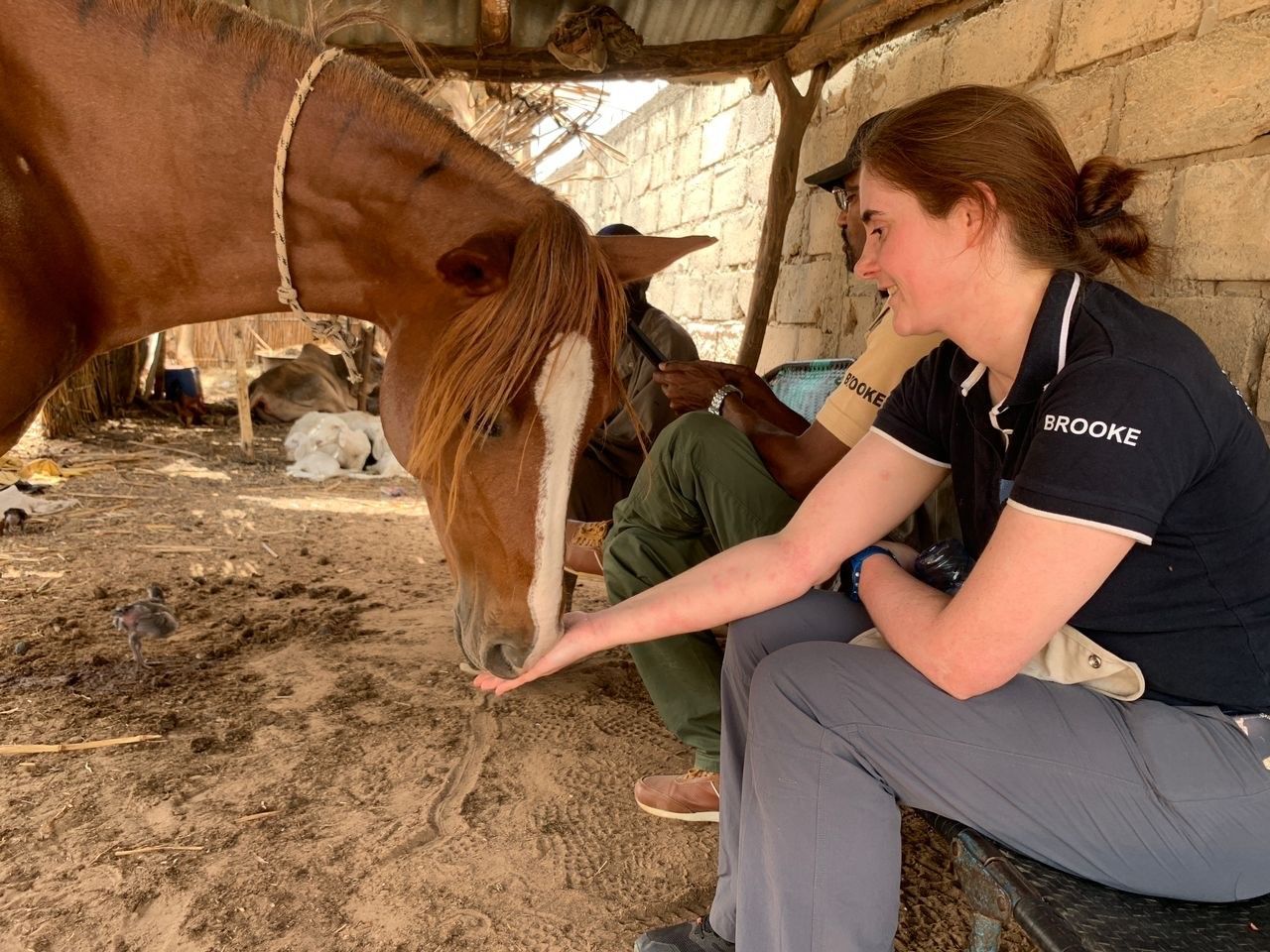
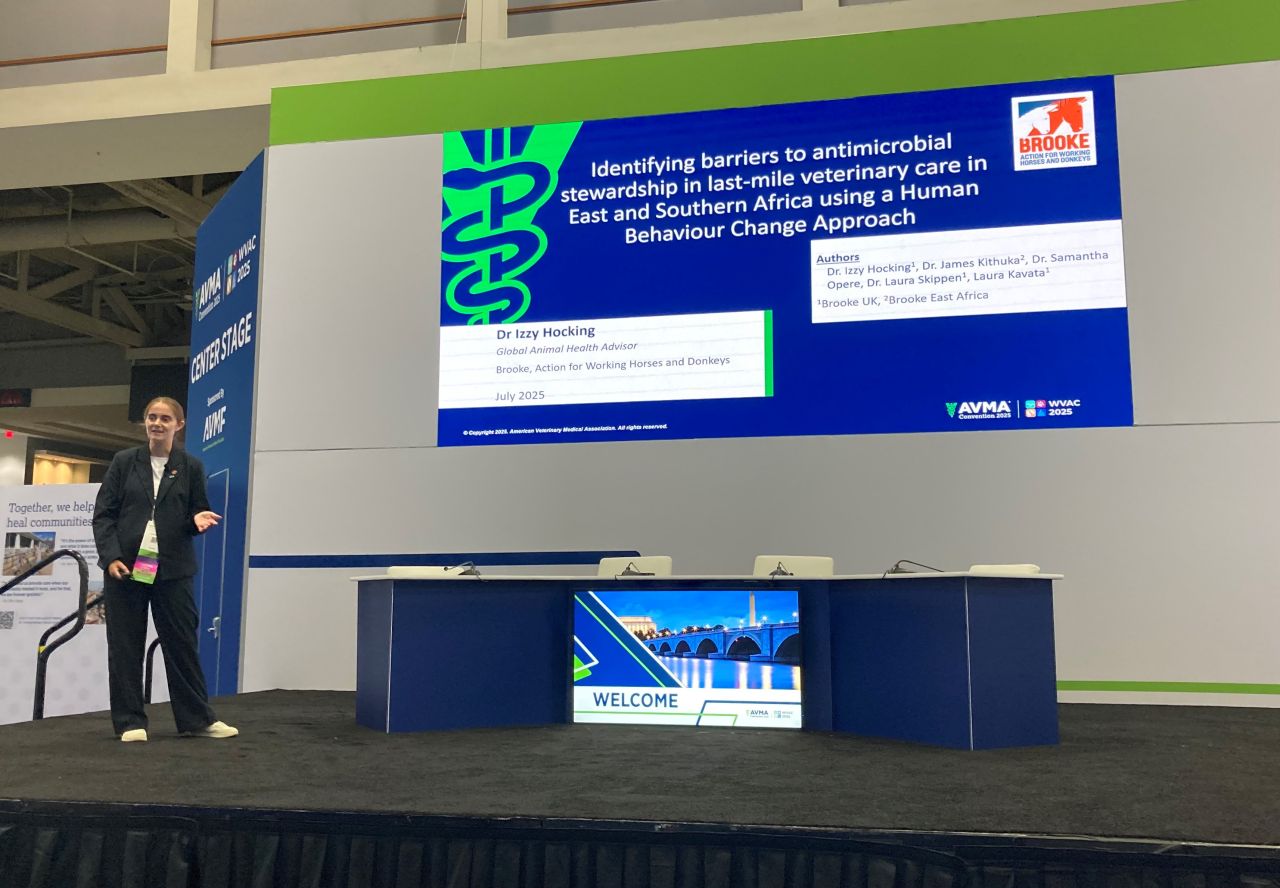
Joining Brooke introduced me to a completely different side of the veterinary profession. Over the next few years, I worked on veterinary education, animal health systems strengthening, antimicrobial stewardship and One Health programmes across Africa and Asia. It was also the point at which I realised that what really motivates me is bringing people together, turning evidence into practical action and improving animal welfare at a scale beyond individual consultations.
Today, I am Senior Veterinary Engagement Manager at Cats Protection, where I work with veterinary professionals, universities, welfare organisations and other partners to improve outcomes for cats and the people who care for them.
Looking back, my career certainly hasn't followed a master plan. Most of the opportunities that shaped it came from being curious, saying yes to things that interested me and being willing to take a chance on something new. What has remained consistent throughout is a desire to create lasting improvements in animal health and welfare.
I wasn't actively looking to leave my previous role, and I genuinely loved both the organisation and the work. However, after a few years there, I felt ready for the next stage of my career. I wanted to take on greater responsibility, develop my leadership skills and move into a management role.
One reality of working in the charity sector is that opportunities don't always appear at exactly the right moment. Charities often have relatively small teams and finite resources, so even when organisations value and want to retain their people, they can't always create new roles or progression opportunities.
When I saw the Senior Veterinary Engagement Manager role at Cats Protection, it felt like a great fit. It combined many of the things I enjoy most: building relationships, networking, working with a range of different stakeholders, attending conferences and bringing people together around a shared goal.
It also appealed to me because of my experience in practice. Like many vets, I often saw cases where I knew a ten-minute consultation wasn't enough to address everything that was affecting that cat's welfare. Whilst clinical practice makes a huge difference to individual animals, I was increasingly interested in how we could improve outcomes at a wider scale. The opportunity to work on projects, partnerships and professional engagement that could ultimately help large numbers of cats felt really motivating.
If I'm honest, it also just felt exciting. It was a step up, a chance to develop as a manager and leader, and an opportunity to try something new whilst still staying true to the reason I became a vet in the first place.
There isn't a single route into this type of role, which is both exciting and slightly frustrating! My veterinary degree and clinical experience gave me credibility and a strong understanding of the profession, but many of the skills I use every day were developed outside the consulting room.
Along the way, I took opportunities to get involved in teaching, project work, professional engagement and international programmes. I built my network, gained experience working with different stakeholders and developed skills in communication, relationship building, influencing and strategic thinking.
Perhaps most importantly, I stayed curious and said yes to opportunities that interested me, even when I couldn't see exactly how they fitted into my career at the time. Looking back, those experiences helped me develop skills and confidence that proved invaluable later on. I also learned not to wait until I felt completely ready before taking on something new. Most of the opportunities that shaped my career came from putting my hand up, giving things a go and being willing to learn along the way.
The best thing about my role is the opportunity to improve outcomes for cats at a scale that simply wouldn't be possible through individual consultations. I enjoy the variety too. One day I might be visiting a school, the next attending a conference, doing media interviews or developing a new project. Building relationships, bringing people together and turning ideas into action are all things I genuinely enjoy.
The flexibility and autonomy that come with the role are also a huge benefit. Being able to manage my own diary and work remotely gives me a level of work-life balance that would have been difficult to achieve in clinical practice.
The biggest downside is that progress can be slow. In practice, you often see the impact of your work straight away. In engagement and welfare roles, it can take months or even years to see the results of something you've helped to create. Also, whilst I value the flexibility of remote working, I do sometimes miss the team dynamic and informal conversations that come from working alongside colleagues in person. My ideal would probably be a hybrid model with regular office time.
The pressure is also different. In clinical practice, decisions can have immediate consequences for animals and their owners. In my current role, the work is still important, but I don't have that same feeling that an animal could be directly harmed if I make a mistake. I care just as much about doing a good job, but it's a different kind of pressure. Colleagues can still be every bit as demanding as pet owners though!
There isn't really a typical day, which is one of the things I enjoy most about the role. I oversee Cats Protection's veterinary engagement work, so my time is split between strategy, relationship building, team management and delivery.
A week might include meetings with vet schools, professional bodies or external partners, attending conferences and events, developing new engagement initiatives, reviewing veterinary and welfare communications and working with colleagues across fundraising, advocacy, communications and operations.
I also line manage a team member and spend time identifying opportunities to strengthen Cats Protection's influence and relationships within the veterinary profession. Some weeks I'm at my desk all week, whilst others involve travelling to conferences or stakeholder meetings around the country.
I'm currently completing a Leadership and Management apprenticeship, which is fully supported by my employer and forms part of my working week. I think that's one of the great things about the charity sector - there can be a real commitment to personal development.
No two weeks are quite the same, but the common thread is bringing people, ideas and evidence together to improve outcomes for cats and the people who care for them.
People who thrive in this type of role tend to enjoy building relationships and working with a wide range of people. A big part of my job involves networking, influencing, collaborating and bringing people together around shared goals, so if you don't enjoy talking to people, this probably isn't the career path for you!
You also need to be comfortable thinking strategically and playing the long game. Much of the work is about creating change over time rather than seeing immediate results, so patience and persistence are important. Being self-motivated, organised and able to spot opportunities is equally valuable.
Most importantly, I think you need to care about improving animal welfare and be willing to step outside your comfort zone when new opportunities arise.
The biggest barrier was probably that I didn't know roles like this existed when I graduated. Veterinary careers outside of practice are much more visible now than they were a few years ago, but it can still be difficult to understand what opportunities are out there and how your skills might transfer.
A more practical challenge was that the charity sector is relatively small, so opportunities don't come up as frequently as they do in clinical practice. I've worked on several fixed-term contracts throughout my career, which at times felt like a bit of a gamble. Moving between contracts required a level of flexibility, resilience and trust that the right opportunity would come along.
I also had to overcome the feeling that I wasn't quite ready for certain opportunities. Looking back, many of the experiences that helped me move into leadership, engagement and animal welfare roles came from saying yes to things before I felt completely qualified to do them.
Building my network, staying curious and being willing to try things outside my day job helped a lot. Over time, those experiences gave me the skills, confidence and contacts that made the next step feel much more achievable.
Be curious and don't be afraid to take opportunities that don't fit neatly into a long-term career plan. Looking back, many of the experiences that helped me get where I am today came from saying yes to things that sounded interesting rather than strategically plotting my next move.
I'd also encourage people not to wait until they feel completely ready. Most of us are capable of more than we think, and growth often comes from taking on challenges that feel slightly outside our comfort zone.
Network widely, talk to people in roles that interest you and be open to unexpected opportunities. Many charity and non-clinical careers are built through relationships, curiosity and experience gained along the way.
I also think it's important to recognise that there are lots of different ways to progress as a vet. For some people that might be doing certificates, specialising or moving into practice leadership. For me, diversification offered an opportunity to keep learning, developing and challenging myself in different ways, without necessarily sitting more exams or moving straight into management.
Perhaps my biggest piece of advice is not to focus too much on "leaving practice". I never really made a conscious decision to leave clinical work; I simply kept applying for opportunities that I found exciting and meaningful. Be clear about what you're running towards, not just what you're trying to leave behind. The people I know who are happiest in diversified careers tend to be those who are genuinely excited by the role itself, rather than simply looking for an escape route from practice.
Career Switch Mastermind · London Vet Show
Join Izzy and fellow facilitators on 19 November, 14:00–14:50, to explore practical routes into Veterinary Industry; Education & Teaching; Charity, NGO, Animal Welfare & One Health; and Conservation & Wildlife.
Turn inspiration into a supported next step
You do not need to have the whole route mapped. Choose the level of support that fits where you are now.
Explore career stories
Use the Video Vault for 50+ hours of career pathways, confidence and human-skills learning.
Explore the VaultPosition your experience
Translate clinical and non-clinical experience into clear evidence for your CV and applications.
Explore CV SupportGet ongoing support
Build confidence, test ideas and keep moving with Career Lab coaching and community.
Explore membership