
A long-game veterinary nursing career using clinical knowledge, practical training and trusted relationships to strengthen wildlife projects and support endangered species.
“It will not happen overnight. It is about relationships, reputation, kindness and treating everyone the same.”
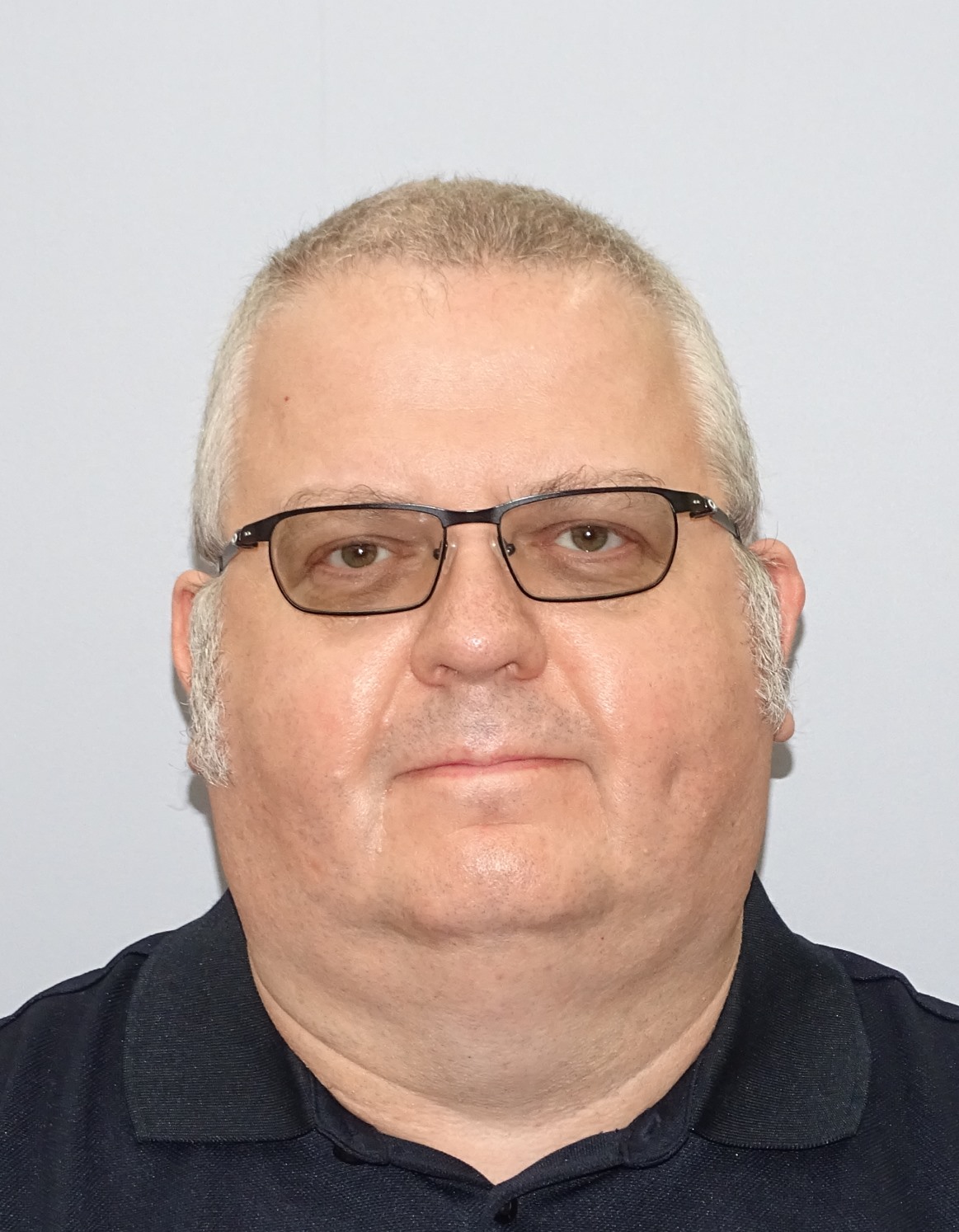
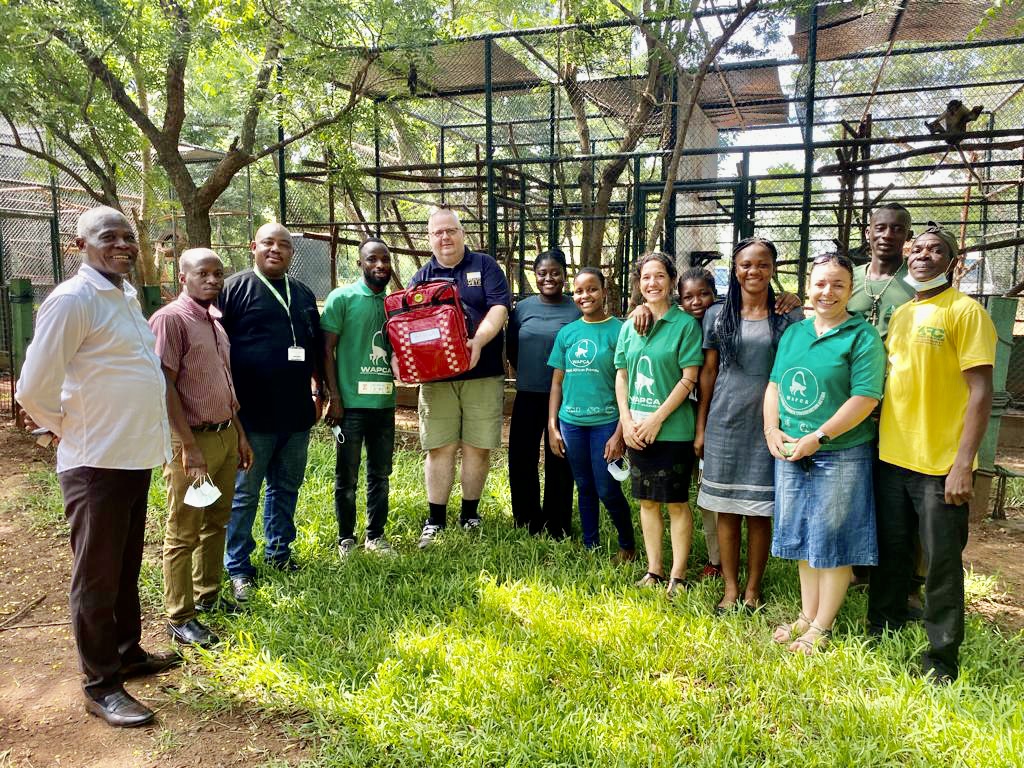
Training people. Strengthening projects. Supporting endangered species.
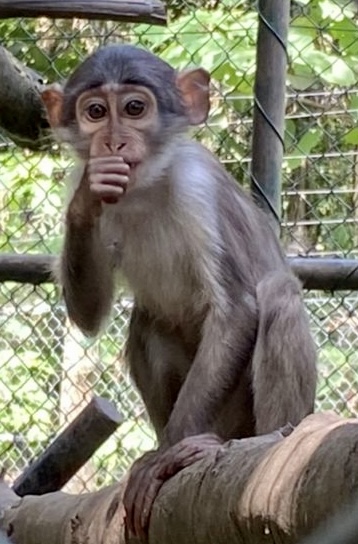
Matt leads or supports four international programmes with Wildlife Vets International: vultures; sea turtles; white-naped mangabeys; and Asian giant forest tortoises and other species.
He is often asked to review how an NGO works with a species, turn good intentions into practical SOPs and deliver hands-on training. The work combines clinical judgement, preparation, meetings, reporting and long-term relationships.
- Vulture projects in India and expanding into other countries
- Sea-turtle work across Europe, India and Ghana
- White-naped mangabey projects in Ghana
- Asian giant forest tortoise and other-species projects in Bangladesh
- Remote and in-person clinical support, practical training and SOP development
A 15-year long game—not an overnight switch
Matt’s route grew through repeated choices to learn, help and build trust rather than through one perfectly timed vacancy.
The best bits—and the realities
What makes it rewarding
- Making a practical difference for endangered species
- Empowering local teams and strengthening long-term capability
- Using veterinary nursing knowledge beyond one workplace
- Working with committed people across countries and cultures
What can be challenging
- Significant travel and a considerable personal time commitment
- Increasingly difficult charity funding
- Limited paid opportunities, particularly around high-profile species
- Meetings, preparation and report writing are a substantial part of the job
Clinical credibility matters—but relationships make the work sustainable
Matt’s experience shows that conservation work relies on far more than technical knowledge. The way you listen, collaborate and behave when nobody is watching can shape whether people trust you with the next opportunity.
- Strong clinical skills and honest awareness of your limits
- Clear, kind and culturally sensitive communication
- Focus, persistence and continual learning
- Practical training and SOP development
- Teamwork without ego
- A consistent focus on animal welfare and team wellbeing
Matt’s answers to the questions people really ask
Every VSGD Career Profile keeps the same core questions, making it easier to compare routes while preserving each contributor’s individual voice.
I never said no to exotics and wildlife cases in practice and always tried to stay up to date on the care of the species I aimed to work with. It took me 15 years until I started doing the work I now love. Making good connections with good people is very important.
I think it is by far the best type of veterinary work. Being able to assist an endangered species and empower others is very cool.
Dedication and a thirst for knowledge. I had to keep pushing; there is a lot of protectionism and BS in this type of work!
I get to really make a difference—no BS, no egos, just results!
The downside is the time and travel. I give a lot of time to support the projects, which can be hard, and getting funding is increasingly difficult.
I am generally asked to review what an NGO does with the species they work with, then support them in making SOPs and carrying out practical training—sometimes remotely and sometimes in person.
I spend a lot of time in meetings, preparing and writing reports. This can be dull!
Someone who is honest and does not take themselves too seriously, and a person who is prepared to learn all the time.
Egos only ever detract, so not having one is helpful!
The amount of work and funding is limited, especially for high-profile species—lions, tigers and elephants.
Keep focused, consider volunteering to start with, and publishing can be surprisingly helpful.
GO FOR IT!
But it will not happen overnight. It is all about relationships and reputation. Being kind and treating everyone the same can really help in the long term.
Career Switch Mastermind · London Vet Show
Join Matt and fellow facilitators on 19 November, 14:00–14:50, to explore practical routes into Veterinary Industry; Education & Teaching; Charity, NGO, Animal Welfare & One Health; and Conservation & Wildlife.
Turn inspiration into a supported next step
You do not need to have the whole route mapped. Choose the level of support that fits where you are now.
Explore career stories
Use the Video Vault for 50+ hours of career pathways, confidence and human-skills learning.
Explore the VaultPosition your experience
Translate clinical and non-clinical experience into clear evidence for your CV and applications.
Explore CV SupportGet ongoing support
Build confidence, test ideas and keep moving with Career Lab coaching and community.
Explore membershipConnect with Matt on LinkedIn · Wildlife Vets International